IMPACT
Measurable climate action with tangible benefits
By restoring vast areas of degraded Albany thicket, the Spekboom Project creates jobs and supports local enterprises, supports local communities, provides farmers with a sustainable income stream and improves biodiversity — all while removing millions of tonnes of CO2 equivalent greenhouse gases from the atmosphere.
Supporting local communities and enterprises
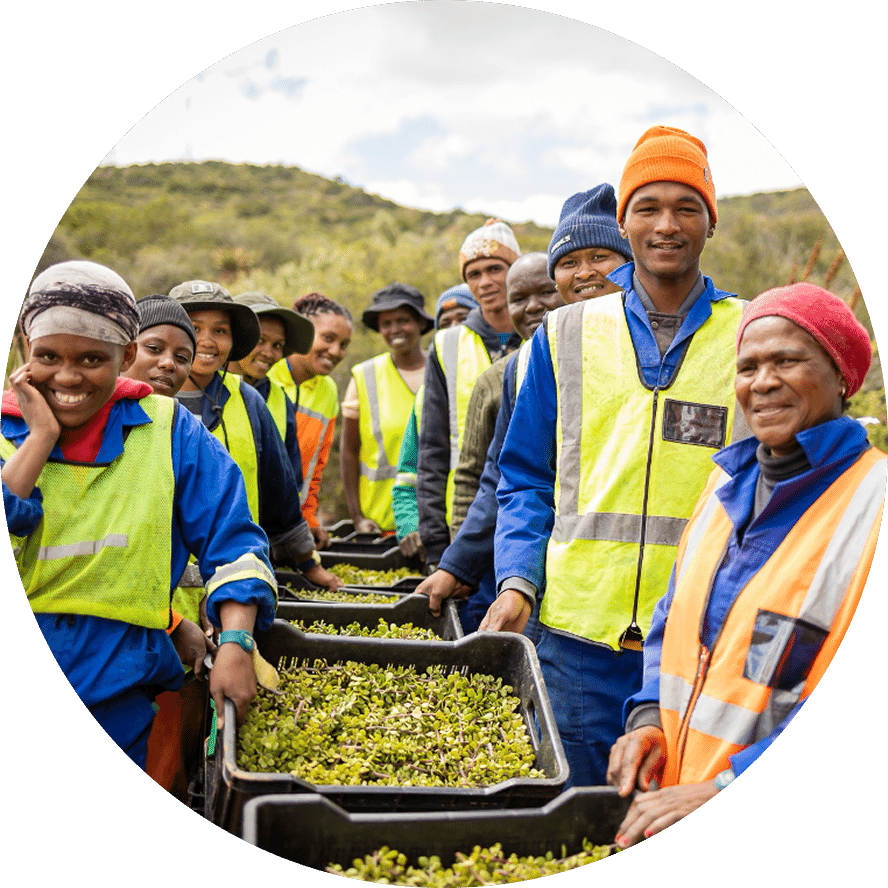
The Eastern Cape has the highest unemployment rate in South Africa at ~40%. Many of the project’s harvesting, nursery, and planting activities are carried out by local small, medium, and micro enterprises (SMMEs) engaged as subcontractors. This approach creates large-scale employment opportunities, encourages rural entrepreneurship, promotes gender empowerment and ensures the economic benefits stay in the community.
Farmers and landowners
Local farmers have endured severe droughts, leading to financial and emotional strain. This project provides a sustainable way of improving the fencing infrastructure of their farms, protecting their land, securing a new revenue stream, and ensuring their legacy for future generations.
Our land engagement/enrolment team supports landowners in making informed choices, recognising that farming is generational.
Carbon and Biodiversity
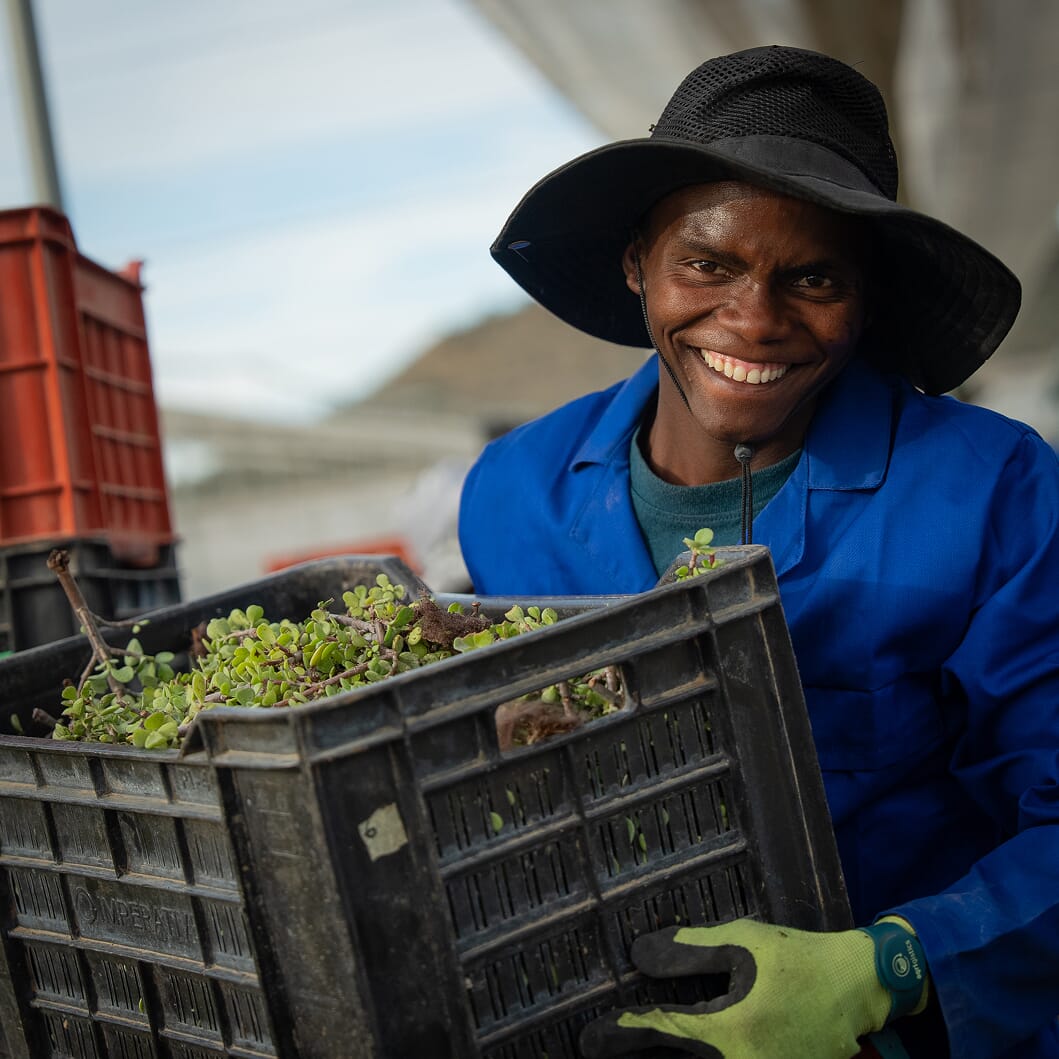
- The Project is an Afforestation, Reforestation, and Revegetation (ARR) initiative, (Verra project ID No.5027).
- At 100,000ha scale the expected net GHG removals approximately 37million tCO₂e over the 40-year crediting period.
- The project has significant biodiversity and conservation benefits through the regrowth of a variety of native species, support of vulnerable species, strengthening ecosystem resilience, and promoting biodiversity.
- The project targets Gold Level distinctions for Climate, Community, and Biodiversity (Verra CCB v3.1)
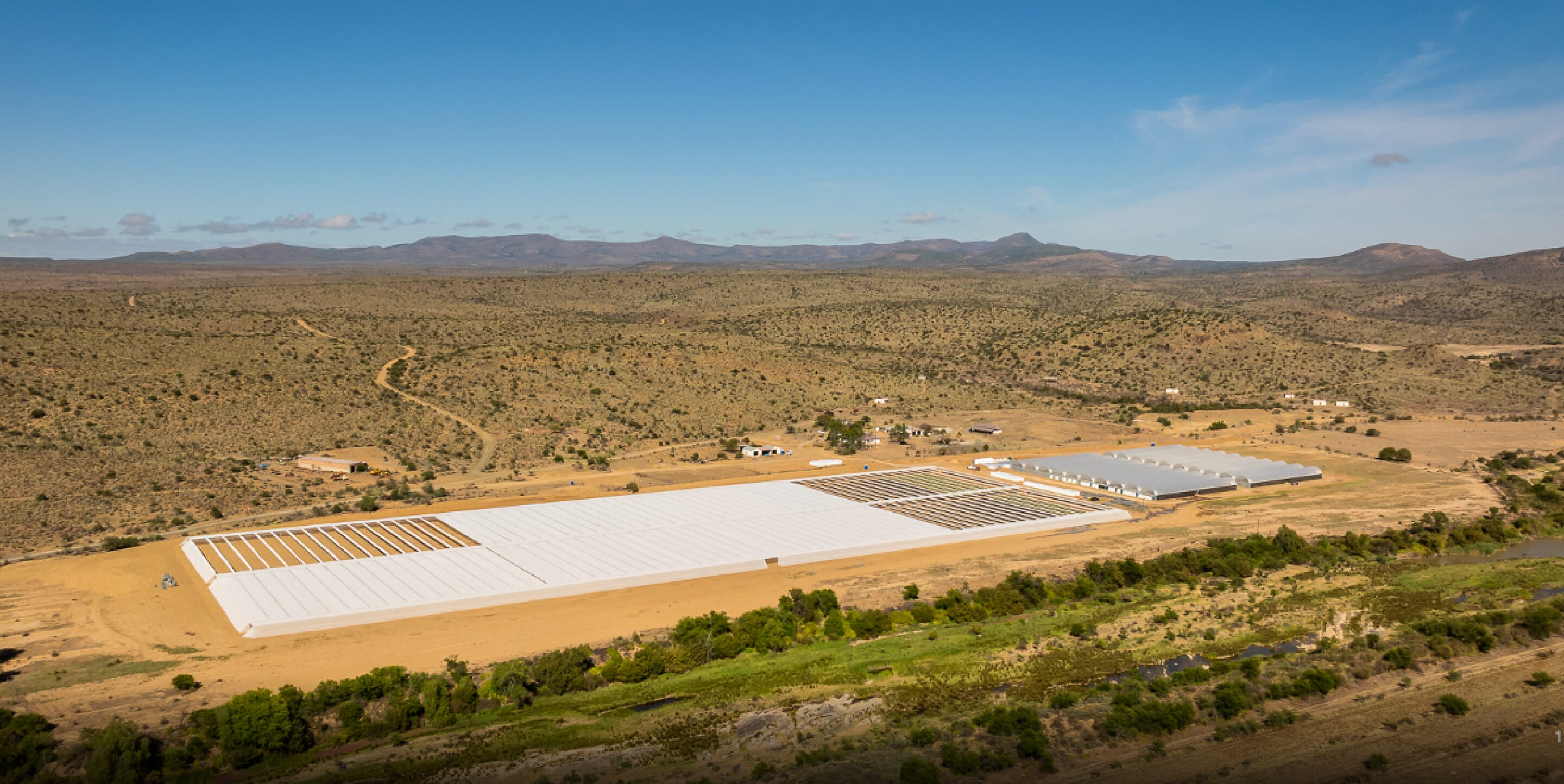
Image of the Spekboom project nursery
Impact by numbers for full scale 100,000 hectare project
1.4M
Hectares of Albany thicket have been severely degraded
100K
hectares of degraded land to be restored
300M
Spekboom cuttings to be planted
~37M
Net tCO2e will be removed over a 40-year crediting period
>1,500
Peak local workforce anticipated for the project