LANDOWNERS
How the Partnership Works for You
Restoring soil. Securing income.
The Reality
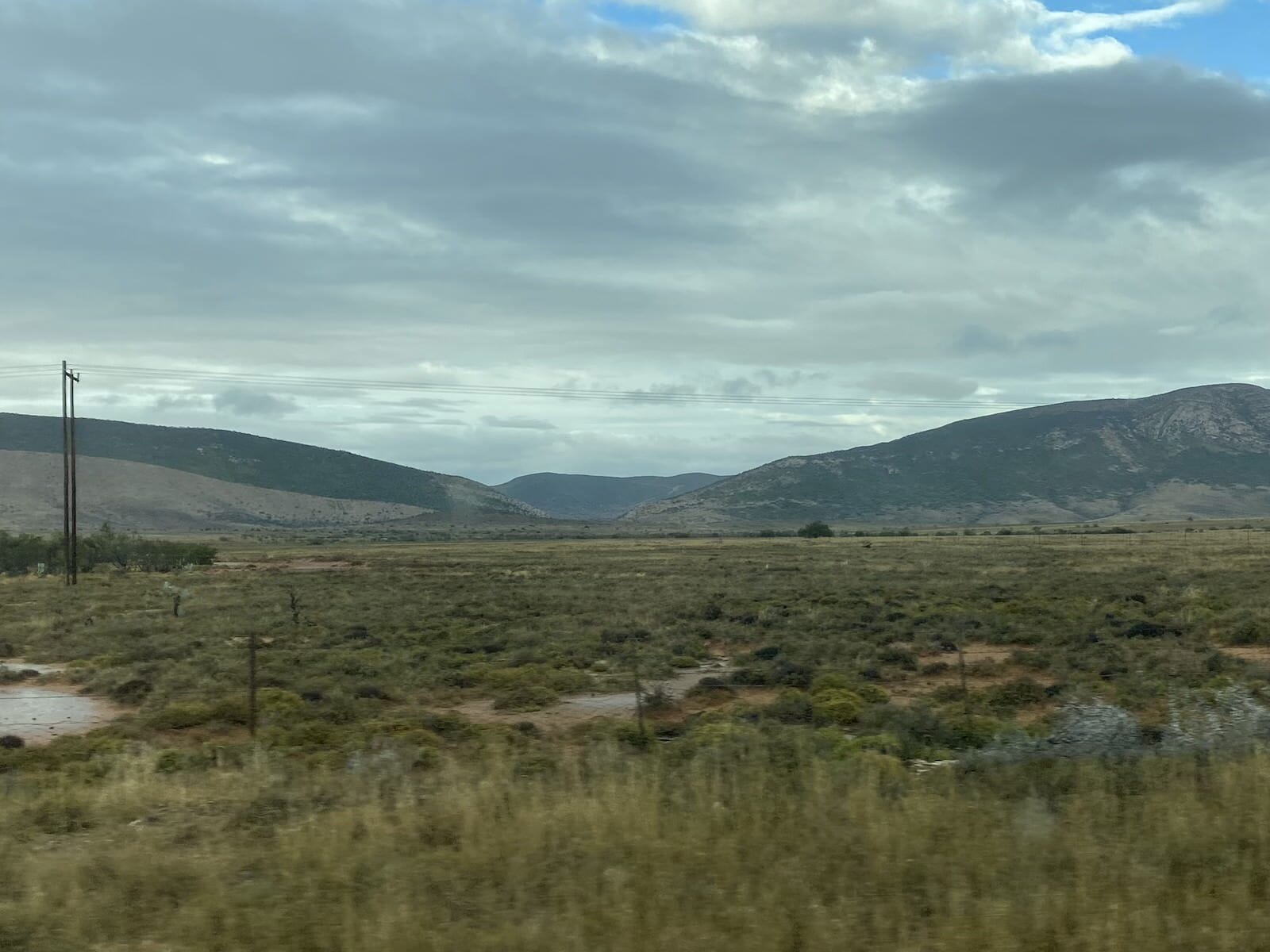
Severe droughts have changed the Eastern Cape. Degraded thicket no longer supports livestock as it once did. This can create a cycle of financial and environmental strain on the farm.
The Solution
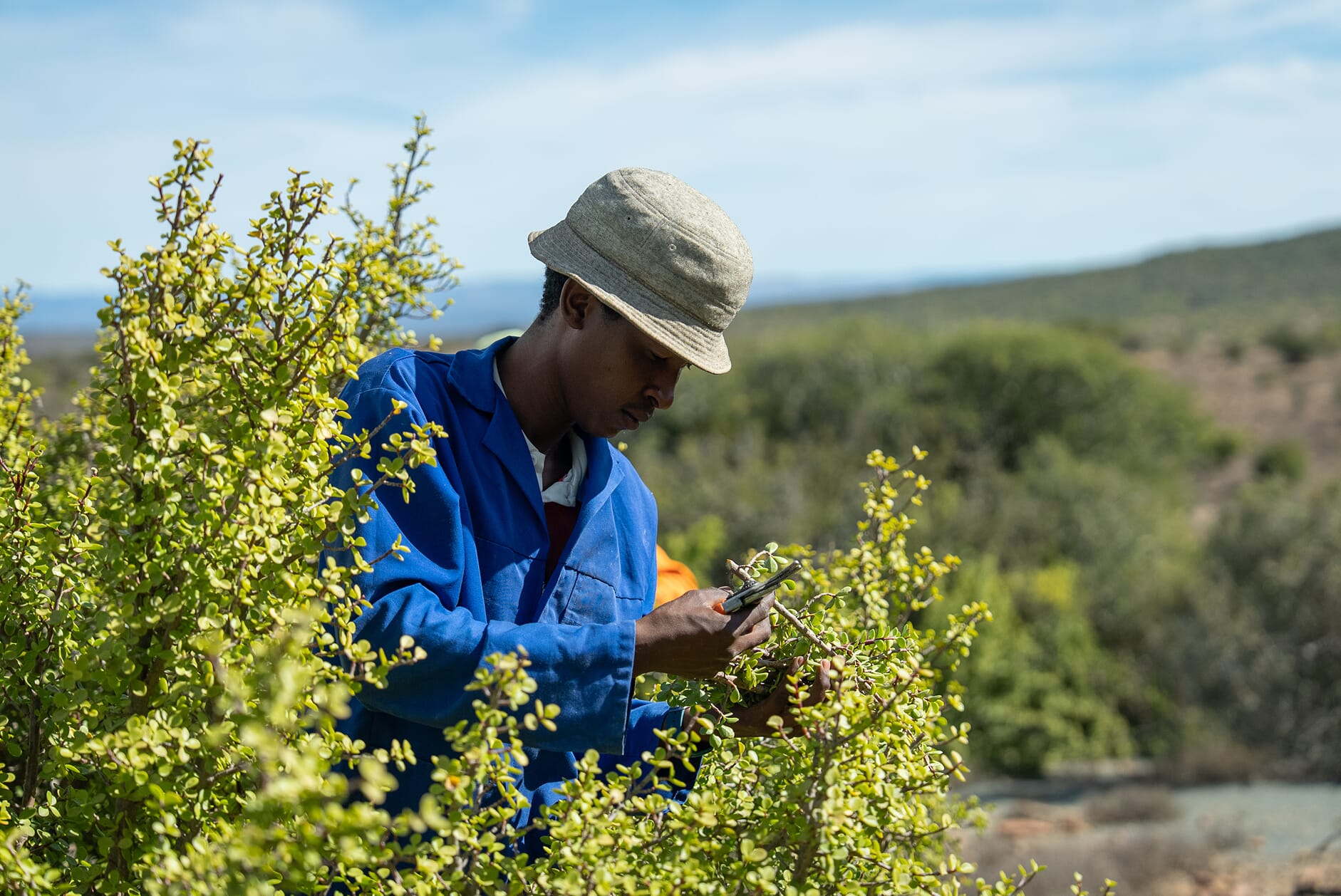
We partner with you to reverse this cycle. Imperative enters into a long-term commercial lease to restore the Spekboom thicket on your degraded land. You retain ownership of your land while gaining a predictable, escalating revenue stream over the ~40 years of the project. We fund the entire project and you receive a fixed, escalating lease payment and a share of the carbon revenue. We build the infrastructure required to make your land thrive again. This includes high-specification fencing, planting of the Spekboom and ongoing monitoring.
The Impact
Through this project, you are left with a restored ecosystem, improved water retention, and a secured legacy for the next generation.
Our restoration process: from nursery to planting and monitoring, we manage the execution.
- Perimeter Fencing: Restoration starts with a fence. We install high quality fencing to protect the spekboom plants from herbivory.
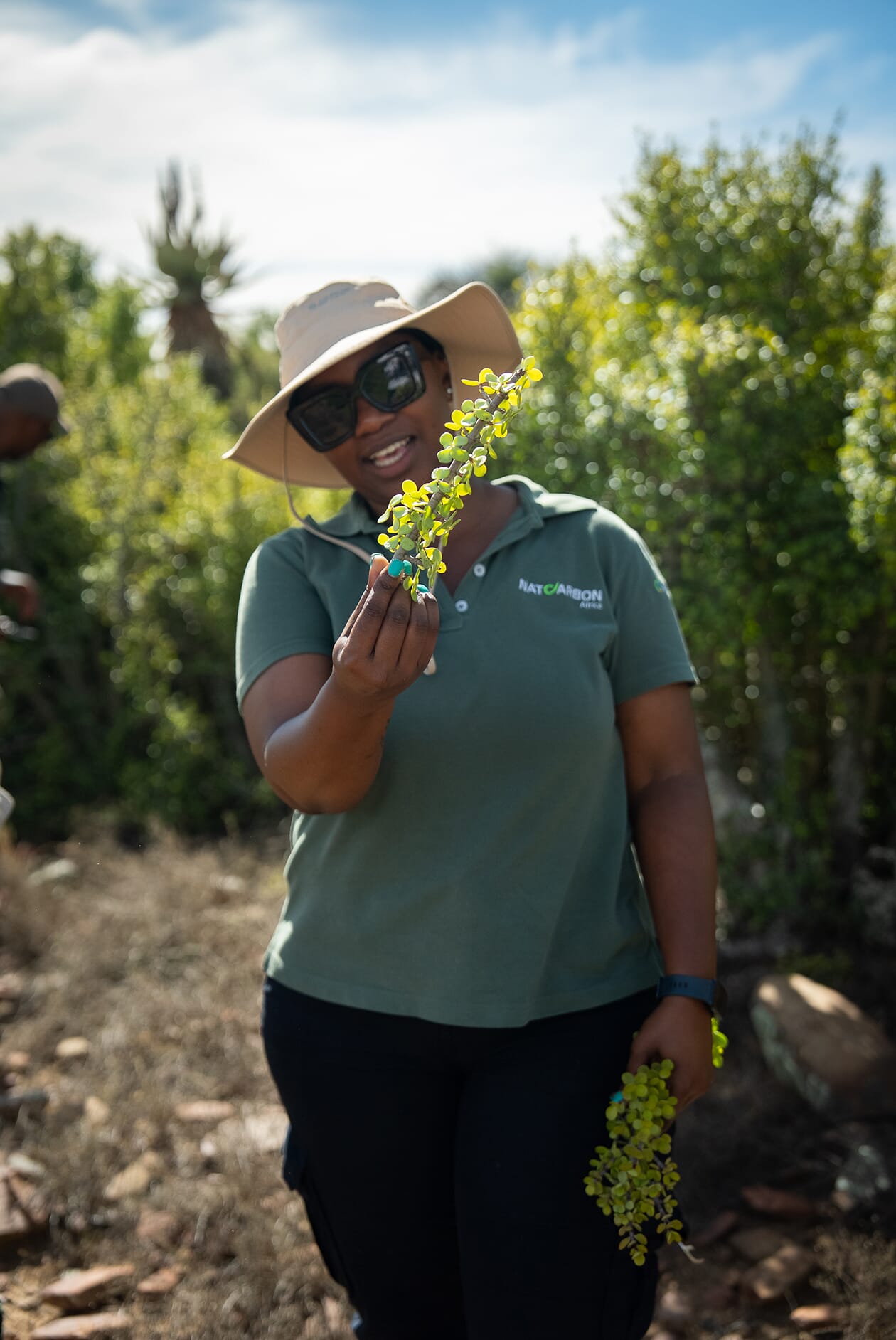
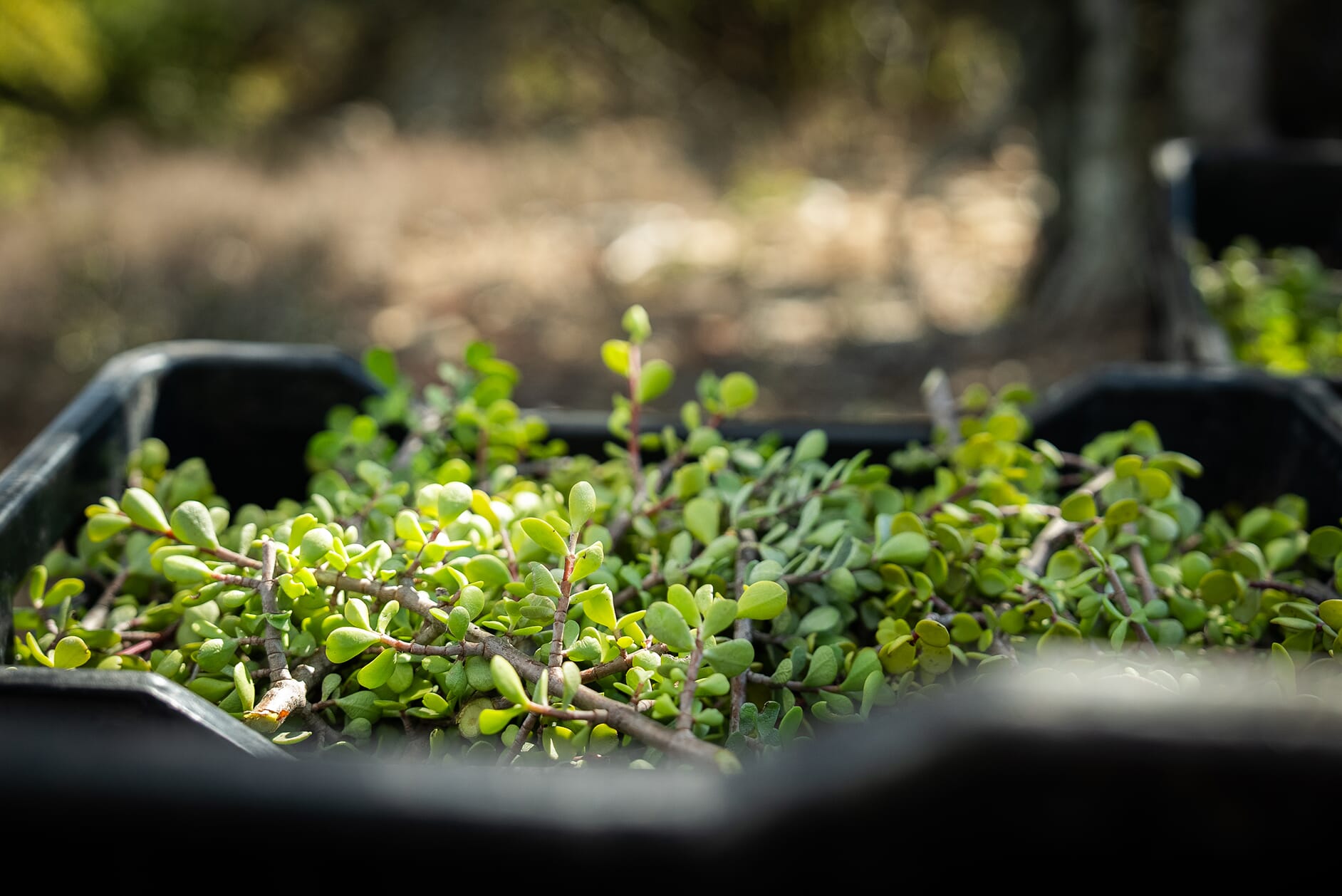
- Harvesting: Spekboom cuttings are collected from healthy donor sites and landowners are compensated for the cuttings harvested from their property.
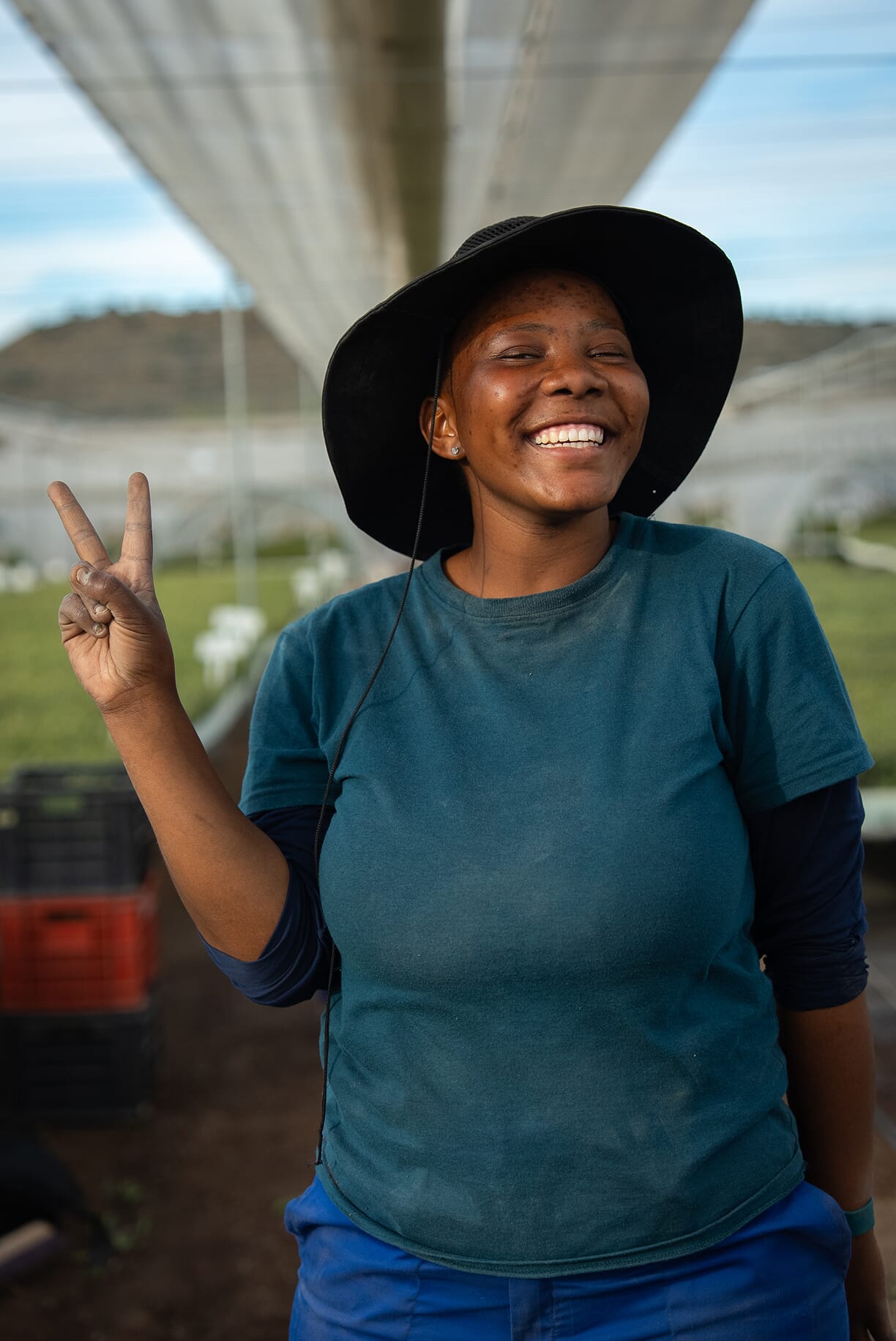
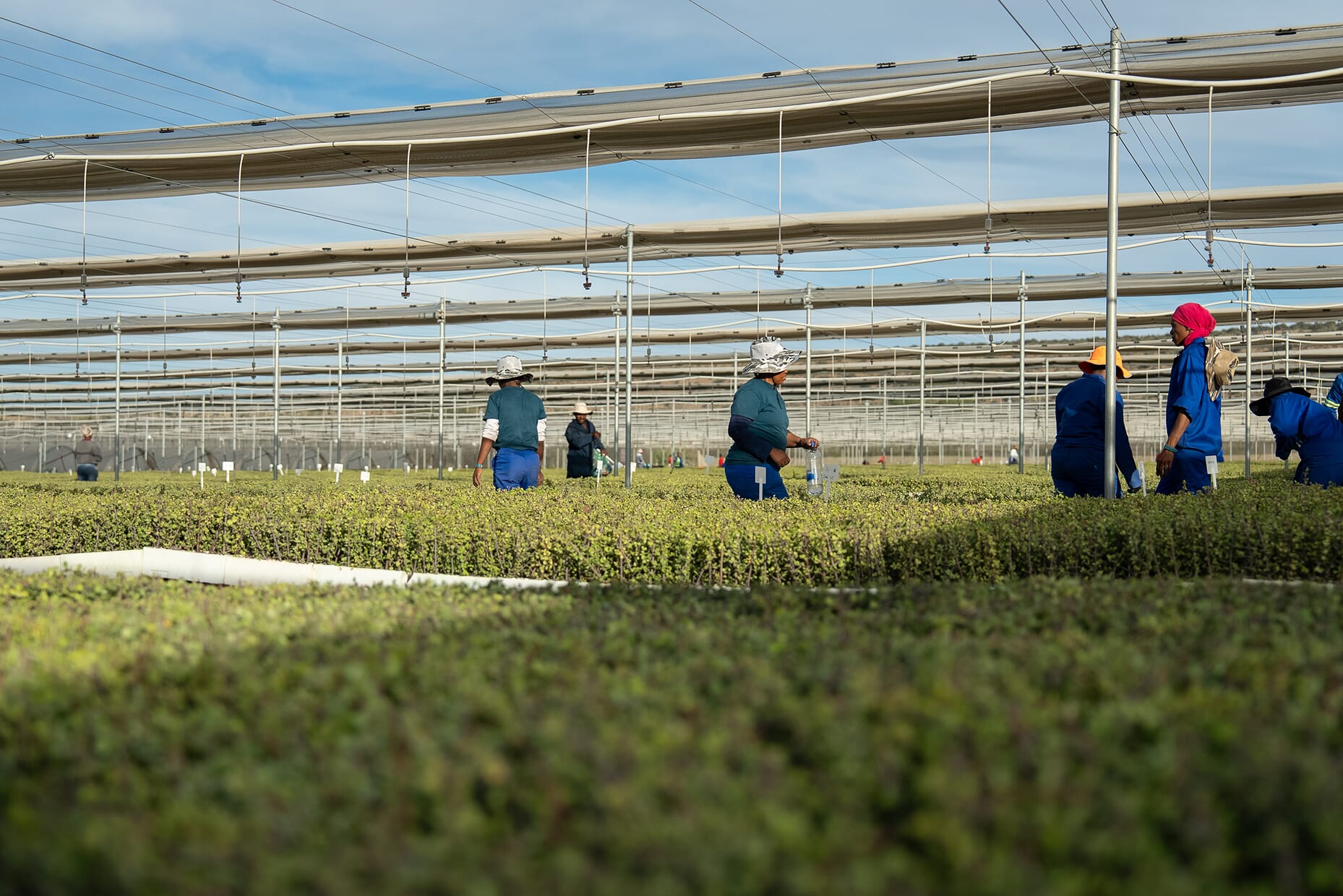
- Industrial Grade Plant Nursery: In order to control quality and production and reach scale we have constructed and operate one of South Africa largest nurseries. We utilise Ellepots in the nursery, an innovative technology that enhances root growth, improves survival rates and has environmental benefits. Once the plants reach the required quality score in the nursery, they are dispatched for planting on your property.
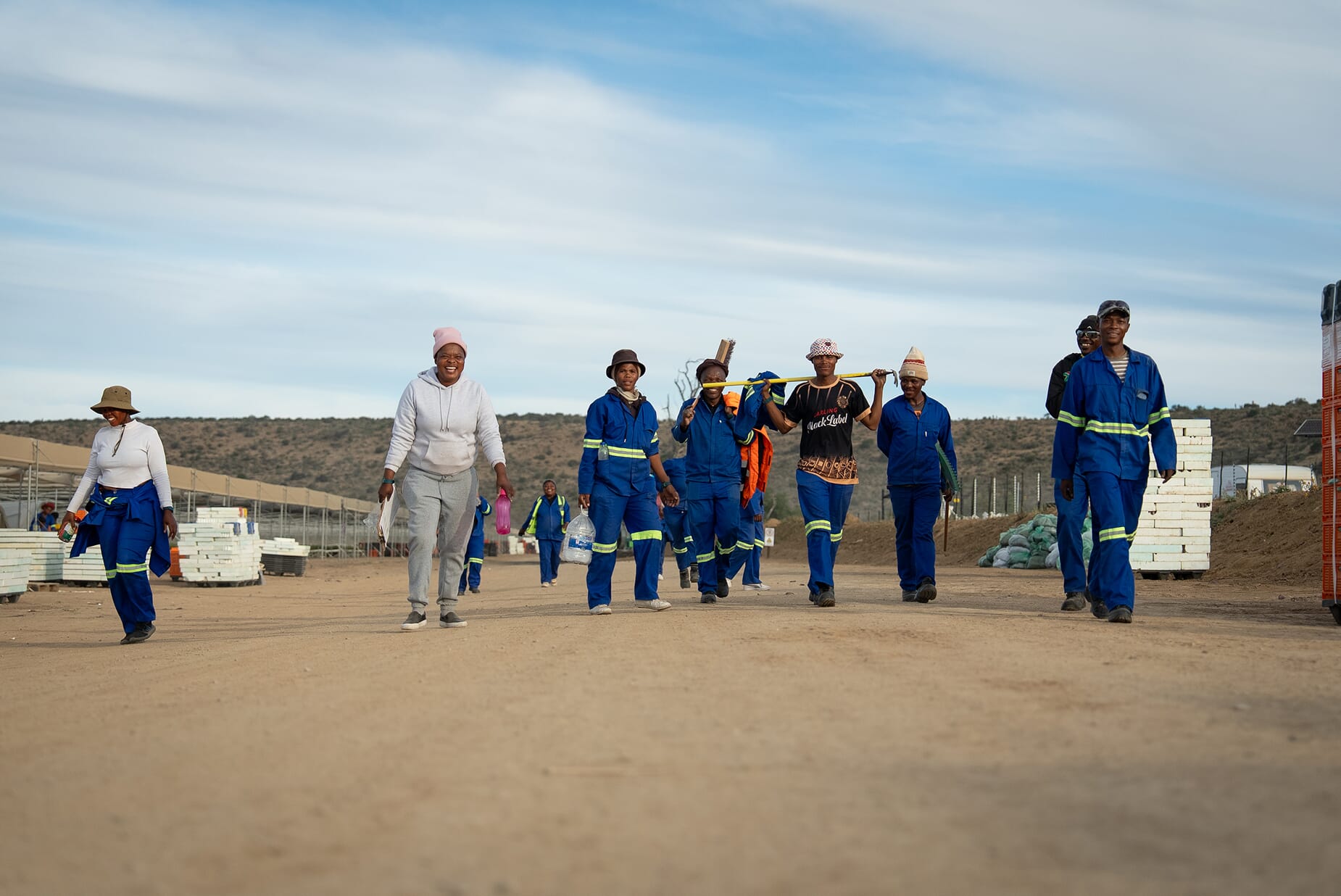
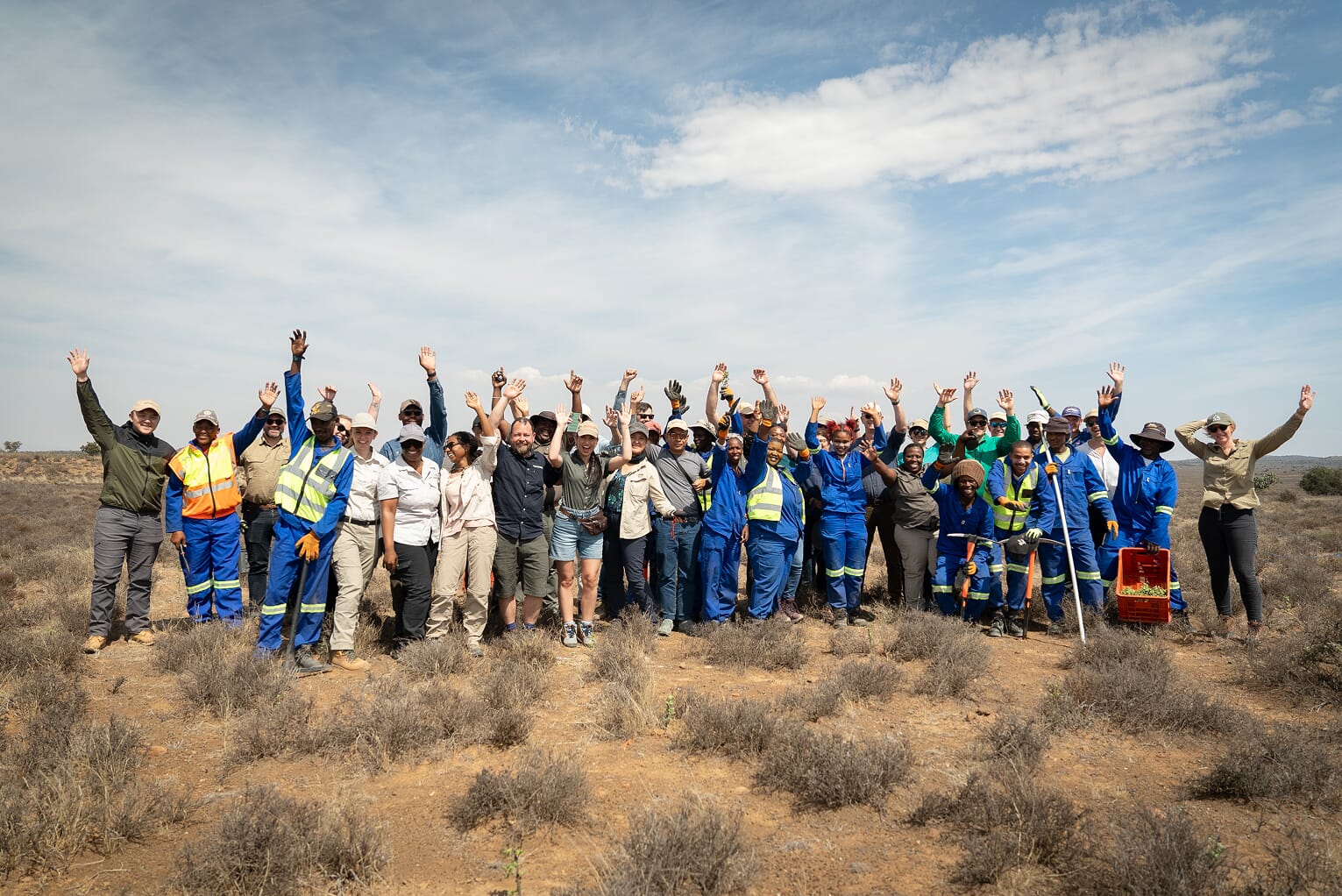
- Planting: We use SMMEs, local labour and our project supervision to complete the planting. Planting is done manually in accordance with our high quality planting protocol.
- Monitoring: The project monitors survival rates routinely after planting to ensure restoration success and annually assesses the impact of our project on biodiversity, biomass, and local communities through social, carbon, and biodiversity surveys.
- Replanting: If survival rates fall below the target, replanting is conducted to maintain ecosystem recovery efforts.
Why this works for you as landowner
- Predictability: In addition to a share of the carbon revenues over the life of the project, you get a fixed, escalating, lease payment that isn’t dependent on the weather or livestock prices.
- Infrastructure Upgrades: We pay for the high quality fencing to protect your land’s boundaries.
- Transparency: You get a full suitability analysis of your property at our expense.
- Legal support: We will pay your independent legal support to ensure the contract documents are clear and understood.
- Trust and simplicity: Our team is here for the long term and are here not only to manage the execution of the project, but also to support the farm management plan and communicate openly with you.
Ready for us to conduct a suitability and eligibility assessment of your land?
We carefully assess each property to ensure it meets strict ecological and legal standards, including:
- Eligibility criteria: The land must be non-forest for the past 10 years and located outside of water bodies or wetlands.
- Suitability criteria: The land must contain moderately or severely degraded subtropical thicket on slopes under 40°, be frost-free and free from land claims, and not intersect roads, streams, or gullies.
- Vegetation mapping: Our specialists will document degradation levels, species composition, any sensitive flora or fauna, and bodies of water on site.
- Final planting area: The final hectares are then calculated to determine the lease area and value and this is discussed with you.